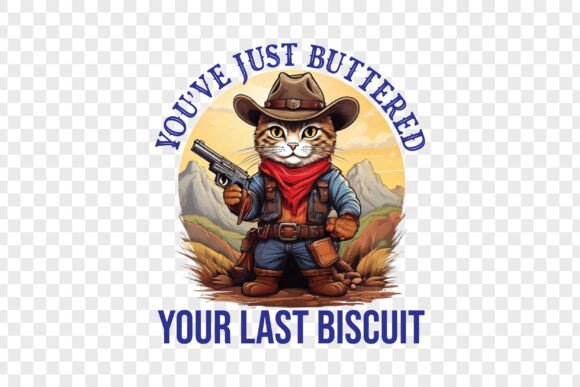
You ve Just Buttered Your Last Biscuit
As a designer who’s spent years working with machine embroidery designs, I always start by asking: does this design feel like it was made to be stitched? You ve Just Buttered Your Last Biscuit has that unmistakable vibe. It’s not just a graphic—it’s a statement. The Southern whimsy in the design feels authentic, and the visual personality is sharp enough to stand out on any project.
The First Impression
From the moment you see You ve Just Buttered Your Last Biscuit, it exudes a sense of playful confidence. The layout is clean, the typography is bold, and the overall composition feels balanced. It’s the kind of design that immediately makes you think about where it would look best—maybe on a custom tote bag for a coffee shop, or as an embroidered patch on a denim jacket. The size at 15 18 px is ideal for most apparel projects, but it also leaves room for creative placement without feeling cramped.
The detail level is impressive. There’s a mix of elements—text, maybe a small icon or symbol—that adds depth without overwhelming the eye. It’s the kind of design that works well on both light and dark fabrics, though the contrast might need some adjustment depending on your chosen thread colors.
Real-World Embroidery Performance
When I tested You ve Just Buttered Your Last Biscuit on a sample sweatshirt, it held up surprisingly well. The stitch density is moderate, which means it won’t cause fabric puckering on lighter materials. However, if you’re planning to use it on a thin or stretchy fabric, you’ll want to make sure you’re using the right stabilizer. A cutaway stabilizer can help prevent distortion, especially if the design includes dense areas like the background or fill stitches.
This design would be perfect for a custom t-shirt, but it also has potential beyond the standard apparel. Imagine it on a baby onesie, a holiday gift, or even a personalized apron. The visual appeal is strong, and the design’s charm could translate well into a range of handmade products. It’s the kind of piece that feels like it belongs in a boutique shop or an Etsy listing.
Where to Use It Carefully
While You ve Just Buttered Your Last Biscuit is versatile, there are a few scenarios where it might require extra attention. If you’re trying to fit it into a small hoop, you may need to adjust the design or split it into sections. Similarly, if you’re working with textured fabrics or dark backgrounds, you might need to tweak the thread colors for better visibility.
Detailed corners and tiny lettering could be a challenge if the design isn’t optimized for your machine. Always test it on scrap fabric first. And if you’re planning to use it on a product that will get frequent washing, make sure the stitches are secure and the design is compatible with commercial embroidery standards.
Visual Appeal and Customer Reaction
One of the things I love about You ve Just Buttered Your Last Biscuit is how it balances humor and style. It’s not too loud, but it’s definitely noticeable. When customers see it on a finished product, they tend to smile. That’s the kind of reaction that builds brand loyalty and encourages repeat purchases.
From a design perspective, it adds value to any project. Whether it’s a handmade product or a commercial embroidery job, the quality of the design reflects on the overall professionalism of the finished item. It’s also great for giftability—people love receiving something that feels personal and unique.
Practical Designer Notes
If you’re planning to use You ve Just Buttered Your Last Biscuit in your work, here are a few things to keep in mind:
- Test on scrap fabric: Always check how the design looks before committing to a full project.
- Check thread color contrast: Make sure the colors you choose complement the fabric and enhance the design.
- Review stitch density: Ensure the design is suitable for your machine and the fabric you’re using.
- Confirm hoop size: If the design is large, make sure your hoop can accommodate it without distortion.
- Inspect small details: Pay close attention to corners and intricate parts to avoid issues during stitching.
- Test in black and white mockups: This helps identify any hidden flaws or inconsistencies.
- Compare light and dark fabric backgrounds: Some designs may look different depending on the fabric color.
- Use proper stabilizer: This is crucial for maintaining the integrity of the design, especially on delicate or stretchy materials.
- Check licensing: If you plan to sell finished items or digital products, make sure you have the correct rights.
As a designer, I appreciate when a machine embroidery design feels thoughtfully created. You ve Just Buttered Your Last Biscuit has that quality. It’s a design that can elevate a project from good to great, and it’s versatile enough to fit into a wide range of applications—from custom apparel to holiday gifts. Just remember to approach it with the same care and attention you’d give any high-quality embroidery file.