Black Cat Leaping SVG: A Designer’s Real-World Embroidery Review
As someone who’s stitched hundreds of custom pieces—from boutique baby onesies to Etsy best-selling tote bags—I opened Black Cat Leaping SVG with a quiet, critical eye. Not for its file count or marketing claims, but for how it would behave under needle and thread. Would it hold up on a lightweight linen tea towel? Translate cleanly onto a curved cap? Feel special enough for a personalized holiday gift? Here’s what I found—not as a sales rep, but as a designer who’s seen too many “cute” graphics fall apart mid-stitch.
First Impression: Bold, Playful, and Surprisingly Versatile
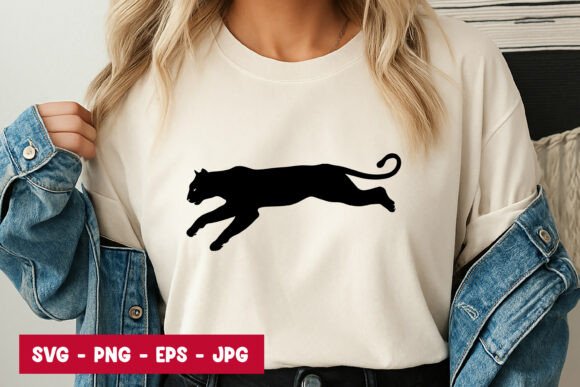
The Black Cat Leaping SVG lands with confident energy. It’s not a timid silhouette—it’s kinetic. The cat’s arc is clean, the limbs expressive but uncluttered, and the negative space around it feels intentional, not accidental. That matters. In embroidery, breathing room means fewer stabilizer battles and cleaner stitch-outs on textured fabrics like canvas or terry cloth. I immediately pictured it on a natural cotton apron for a small-batch bakery—bold enough to read from across a farmers’ market stall, yet refined enough to feel handmade, not mass-printed.
Where It Shines (and Where It Needs Care)
This design excels in custom apparel and handmade product contexts where personality meets practicality:
- Sweatshirt embroidery: Its open shape and moderate detail level avoid excessive stitch density—critical for heavy knits that can pucker or distort.
- Tote bag design: Works beautifully centered on the front panel of medium-weight canvas. The leaping motion gives visual lift without needing extra embellishment.
- Baby embroidery: On a soft organic cotton onesie? Yes—but only if stitched with ultra-light stabilizer and fine thread. Avoid dense fill areas near seams or necklines where bulk could irritate delicate skin.
- Embroidered patch: Clean outlines make it ideal for iron-on or sew-on patches. Just confirm your digitizing service preserves the fluid line weight—no unintended thickening at the tail or paws.
- Holiday embroidery: Paired with subtle metallic thread (gold or gunmetal), it adds whimsy to Christmas stockings or Halloween kitchen towels—without veering into kitsch.
But be thoughtful about placement and substrate. On stretchy fabric like jersey tees, use cutaway stabilizer and reduce pull compensation slightly—the curve of the leap can exaggerate tension issues. On dark fabric, test thread contrast first; black-on-black loses impact unless you add a subtle satin stitch outline or switch to charcoal gray thread. And avoid cramming it into tiny hoops (under 4”)—the leg extension and tail tip need room to resolve cleanly.
Design Assets That Earn Their Place in Your Workflow
The included PNG, JPG, EPS, and SVG files are genuinely useful—not just filler. The SVG is crisp for vector-based editing (resizing without pixelation), while the PNG serves well for quick printable mockups. I dropped it into a digital preview for a client’s boutique sweatshirt line and got instant buy-in—not because it was flashy, but because it looked *stitch-ready*. That’s rare.
That said: Black Cat Leaping SVG is a digital embroidery file foundation—not a finished digitized pattern. If you’re using it for machine embroidery design, you’ll still need to digitize it properly for your fabric, hoop size, and machine brand. Don’t assume the SVG translates directly to stitch commands. Run a test on scrap fabric first. Check how the curve of the back leg handles satin stitch transitions. See whether the ear tip stays sharp or blurs into a blob.
What It Adds to Your Craft Business (and What It Doesn’t)
This isn’t a “throw-it-on-and-forget-it” graphic. But used intentionally, Black Cat Leaping SVG elevates perceived value. Customers notice when an embroidered cat doesn’t look like a flattened sticker—it has gesture, rhythm, and scale. That builds customer trust, especially for Etsy sellers and small shop products where handmade authenticity is the selling point.
It also strengthens brand consistency for creatives with a moody, artistic, or witchy aesthetic—think apothecary labels, indie bookish merch, or cottagecore nursery decor. Used across mugs, tea towels, and pillow covers, it becomes a recognizable motif—not just decoration.
What it doesn’t do? Replace thoughtful execution. It won’t fix poor stabilizer choice on thin fabric, nor compensate for rushed hooping on a curved surface like caps. And while it’s labeled for T-Shirts and Graphics, remember: a great applique design starts with smart layering—not just dropping a file into software.
Practical Notes Every Embroidery Designer Should Keep Handy
Before stitching Black Cat Leaping SVG for a client or your own craft business, run through this checklist:
- Test on scrap fabric matching your final substrate—especially if using textured fabrics or layered garments.
- Review stitch density in the body curve and tail. Overly dense fill stitch can cause stiffness on personalized gifts like baby blankets.
- Confirm hoop size compatibility. The leap spans roughly 3.5–4.5” wide depending on scaling—don’t force it into a 3” hoop.
- Inspect small details: paw tips, ear edges, and the curve of the spine. These are where digitizing shortcuts show up.
- Try black-and-white mockups. Does the shape read clearly on dark backgrounds? Does it hold up in grayscale for minimalist branding?
- Use appropriate stabilizer—cutaway for knits, tear-away for stable wovens, and fusible for lightweight linens.
- Verify licensing before selling finished items or reselling the digital embroidery file. The listing says it’s usable for merch—and that’s promising—but always double-check scope and attribution requirements.
In short: Black Cat Leaping SVG is a strong, adaptable design asset. It’s not magic—but in the hands of a careful designer, it becomes a quietly confident signature piece. Whether you’re stitching a single personalized gift or building a cohesive small shop product line, it earns its place in your library by behaving well, reading clearly, and carrying mood without clutter. That’s the kind of embroidery project foundation worth keeping.